Best Bitcoin and Crypto Books Compared
Twelve Bitcoin and crypto books side by side: the case for Bitcoin, the narrative histories, the technical manuals, an investor's framework and the reporting on crypto's frauds and collapses. Compare viewpoint, depth and length.
| Book | Rating |
|---|---|
 Digital Gold | 5/5
|
 The Bitcoin Standard | 5/5
|
 The Internet of Money | 4/5
|
 Layered Money | 4/5
|
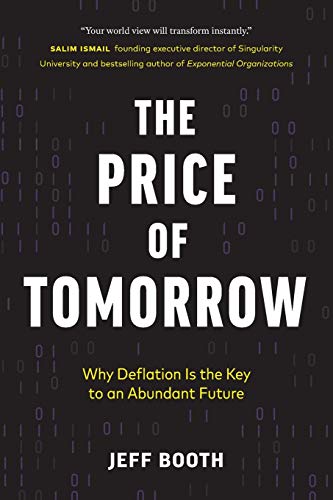 The Price of Tomorrow | 5/5
|
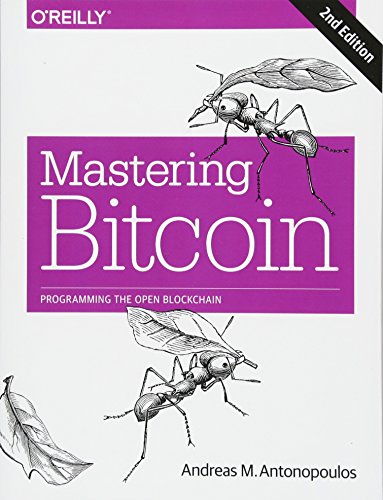 Mastering Bitcoin | 5/5
|
 Cryptoassets | 4/5
|
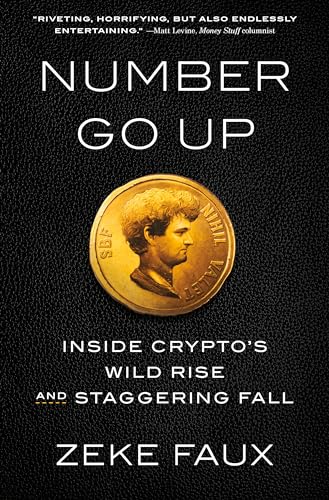 Number Go Up | 5/5
|
 Going Infinite | 4/5
|
 Bitcoin Billionaires | 4/5
|
 The Infinite Machine | 5/5
|
 Mastering Ethereum | 5/5
|
Jim's Quick Takes
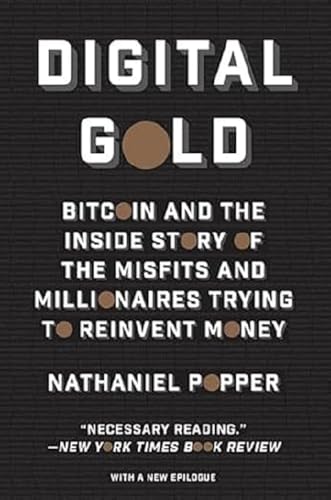
Digital Gold
The best neutral starting point. New York Times reporter Nathaniel Popper tells Bitcoin's early history through the people who built and promoted it, from the first mailing-list days through Silk Road and the Mt. Gox collapse. It's reporting rather than advocacy, more even-handed than The Bitcoin Standard and more reliable than the dramatized Bitcoin Billionaires.
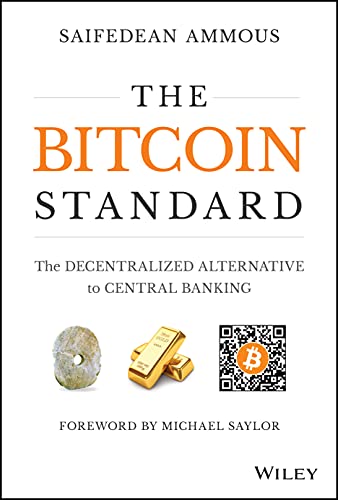
Read full review →The Bitcoin Standard
The most influential argument for Bitcoin. Economist Saifedean Ammous spends the first half on the history of money, from shells and stones to gold and paper currency, then argues from an Austrian-economics view that Bitcoin's fixed supply makes it sound money. Many economists dispute its conclusions, so it reads best alongside Number Go Up or Layered Money.
Read full review →The Internet of Money
The friendliest explanation of why Bitcoin's supporters care. These short chapters are edited talks by Andreas Antonopoulos about money, open networks and financial access, with no technical detail. At 152 pages it's the shortest book here, and the non-technical companion to his Mastering Bitcoin.
Read full review →Layered Money
A compact framework for how money works. Former Treasury trader Nik Bhatia describes money as layers, from gold and central-bank reserves to bank deposits, and places Bitcoin and central bank digital currencies within that picture. It is more about the monetary system than about Bitcoin alone, and calmer in tone than The Bitcoin Standard.
Read full review →The Price of Tomorrow
An entrepreneur's argument rather than an economist's. Jeff Booth contends that technology keeps pushing prices down while the financial system depends on inflation and debt, and presents Bitcoin as a way through that conflict. Short and big-picture, it suits readers who liked The Bitcoin Standard's conclusions but want a different route to them.
Read full review →Mastering Bitcoin
The technical manual. Andreas Antonopoulos explains keys, addresses, transactions, blocks and mining at a developer's level, with code examples. Written for programmers and security-minded readers, it's the deepest book on the page about how Bitcoin actually works. Some details have moved on since this edition, so check for updates.
Read full review →Cryptoassets
The investor's framework. Chris Burniske and Jack Tatar treat crypto assets as a new asset class and lay out ways to analyze networks, token supply and risk. Its market data is from 2017 and dated, but the analytical approach is the most structured on the page. It describes how the authors evaluate the space rather than telling readers what to buy.
Read full review →Number Go Up
The skeptic's book. Bloomberg reporter Zeke Faux covers the 2021 crypto boom and its collapse, including Tether, celebrity promotions, scam operations and Sam Bankman-Fried. It's the strongest counterweight on the page to The Bitcoin Standard and The Price of Tomorrow, and it reads like a fast, darkly funny investigation.
Read full review →Going Infinite
Michael Lewis's portrait of Sam Bankman-Fried and the rise and fall of FTX, written with unusual access to his subject. Bankman-Fried was later convicted of fraud, and critics argue Lewis was too sympathetic to him. Read it alongside Number Go Up, which covers some of the same story from a much harsher angle.
Read full review →Bitcoin Billionaires
The most cinematic book here. Ben Mezrich follows the Winklevoss twins from their Facebook dispute into early Bitcoin investing, with reconstructed scenes and dialogue. It's entertaining and fast, but dramatized; for the same era told as straight reporting, Digital Gold is the better choice.
Read full review →The Infinite Machine
The narrative history of Ethereum, Bitcoin's main rival. Former Bloomberg reporter Camila Russo follows Vitalik Buterin and the early Ethereum team, from the founding idea through infighting and the DAO hack. It does for Ethereum what Digital Gold does for Bitcoin, and explains how the two networks differ in purpose.
Read full review →Mastering Ethereum
The developer's guide to Ethereum, by Andreas Antonopoulos and Ethereum co-founder Gavin Wood. It covers smart contracts, the Ethereum Virtual Machine, Solidity and common security pitfalls, and assumes readers can follow code. The Ethereum counterpart to Mastering Bitcoin; skip it unless you plan to build.
Read full review →How to Choose
Start with what you want to understand. For the story of how Bitcoin began, read Digital Gold. For the argument in favor, read The Bitcoin Standard, The Price of Tomorrow or the shorter Internet of Money. For how money itself works, Layered Money. For the skeptical view and the frauds of recent years, Number Go Up and Going Infinite. For Ethereum, The Infinite Machine. Developers should go to Mastering Bitcoin or Mastering Ethereum.
For a balanced picture, read one book from each side: The Bitcoin Standard and Number Go Up make very different cases, and Digital Gold sits between them as reporting. Bitcoin Billionaires is the light read, best treated as entertainment.
A Note on Dates and Risk
Crypto changes quickly, and several of these books are years old. Prices, companies and technical details may have moved on since publication, so treat market data in older books as history. The narrative books hold up best because they are about people and events.
These books present their authors' arguments, and several disagree sharply. This page describes them and is not financial advice. Crypto assets are volatile and can lose most or all of their value.