Books Like The Psychology of Money
Want more about the behavior behind good money decisions, not just the math? These books share The Psychology of Money's focus on patience, enough and the mental traps that cost people more than bad stock picks.
Jim's Picks
The Millionaire Next Door
by Thomas J. Stanley, William D. Danko
The Simple Path to Wealth
by JL Collins
Thinking, Fast and Slow
by Daniel Kahneman
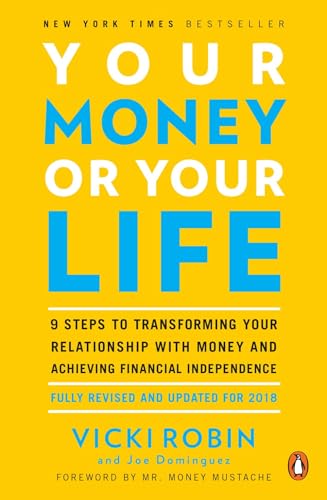
Your Money or Your Life
by Vicki Robin, Joe Dominguez
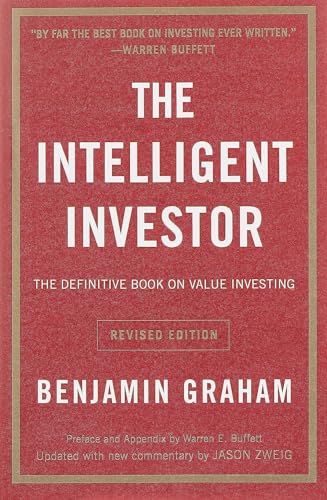
The Intelligent Investor
by Benjamin Graham
The Little Book of Common Sense Investing
by John C. Bogle
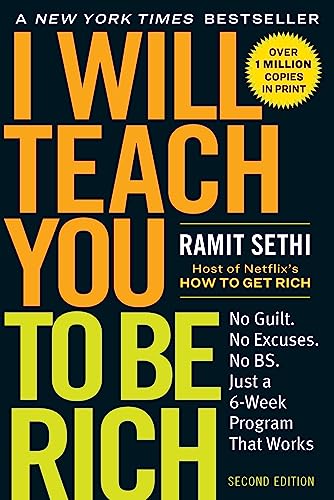
I Will Teach You to Be Rich
by Ramit Sethi
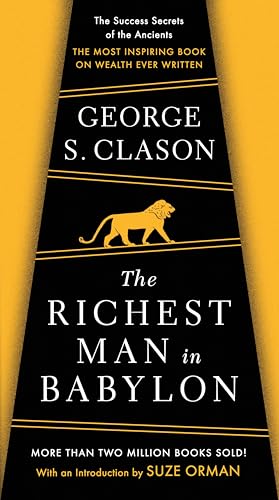
The Richest Man in Babylon
by George S. Clason
Why Each Pick
- The Millionaire Next Door by Thomas J. Stanley, William D. Danko
- Hard data for one of Housel's central points: wealth is mostly what you don't see. Stanley and Danko surveyed America's millionaires and found most of them drive used cars, live in modest neighborhoods and outsave higher-earning neighbors who look richer. It is a data-driven study from 1996 rather than a set of essays, with more statistics and less storytelling.
- The Simple Path to Wealth by JL Collins
- The practical companion to Housel's philosophy. JL Collins turns letters to his daughter into a plain plan: spend less than you earn, invest the difference in low-cost total-market index funds and leave them alone through crashes. It shares Housel's emphasis on patience and independence, but it is a step-by-step investing guide, with specific account and fund advice.
- Thinking, Fast and Slow by Daniel Kahneman
- The psychology underneath The Psychology of Money. Nobel laureate Daniel Kahneman explains the two systems of thinking and the biases, such as loss aversion, overconfidence and anchoring, that drive many of the money mistakes Housel describes. It is not a finance book and is much denser, at 499 pages, so it suits readers who want the science behind the stories.
- Your Money or Your Life by Vicki Robin, Joe Dominguez
- A deeper look at Housel's idea of "enough." Vicki Robin and Joe Dominguez ask readers to measure spending in hours of life energy and to find the point where more money stops adding happiness. It shares Housel's view that independence is money's greatest value, but it is a structured nine-step program with worksheets and exercises, not a set of essays.
- The Intelligent Investor by Benjamin Graham
- A classic that anticipates Housel's ideas about temperament and room for error. Benjamin Graham's "Mr. Market" parable and his "margin of safety" are about controlling emotions and planning for being wrong. It is a long, technical book, at 640 pages in the edition with Jason Zweig's modern commentary, best for readers ready to study investing seriously.
- The Little Book of Common Sense Investing by John C. Bogle
- For readers convinced by Housel's case that simple, patient investing beats clever investing. John Bogle, who founded Vanguard and launched the first index fund for individual investors, argues that low costs and broad diversification win over time. It is narrower than Housel, focused on a single strategy, and repeats its core argument often.
- I Will Teach You to Be Rich by Ramit Sethi
- A hands-on take on Housel's point that money should fund the life you want. Ramit Sethi sets out a six-week program to automate savings and investing, then spend guilt-free on the things you love and cut costs ruthlessly on the rest. It is chattier and more tactical than Housel, aimed at people in their twenties and thirties setting up accounts for the first time.
- The Richest Man in Babylon by George S. Clason
- Money lessons told through stories, like Housel's chapters, but set in ancient Babylon. George Clason's parables, first published as pamphlets in the 1920s, teach paying yourself first, avoiding debt and letting savings grow. It is short, at 208 pages, and old-fashioned in style, with a moral at the end of each tale rather than modern research.
What to Read After The Psychology of Money
If Housel's stories about behavior were what stayed with you, Thinking, Fast and Slow explains the science of the mental shortcuts he describes, and The Millionaire Next Door shows those habits in real survey data. If you liked his idea of "enough" and of money as a path to freedom, Your Money or Your Life is the deepest book on the subject.
If you finished the book wanting to act, The Simple Path to Wealth and The Little Book of Common Sense Investing turn Housel's patience into an investing plan, and I Will Teach You to Be Rich covers the everyday setup of accounts and automatic saving. The Intelligent Investor is the classic for readers who want to understand markets in depth, and The Richest Man in Babylon is the quickest, gentlest introduction to the basics.
Choosing by Experience Level
For beginners, The Richest Man in Babylon, I Will Teach You to Be Rich and The Simple Path to Wealth are the most accessible, written for readers starting with little or no investing knowledge. Your Money or Your Life and The Millionaire Next Door suit anyone rethinking how they spend and save. The Little Book of Common Sense Investing is a short, focused read once the basics are clear.
Thinking, Fast and Slow and The Intelligent Investor are the most demanding, each around 500 to 640 pages, and both reward slow reading. None of these books is personal financial advice, and readers with complex situations may want to talk with a fee-only fiduciary adviser before making major decisions.