Best Investing Books Compared
Index funds or stock picking? Nine investing classics side by side: the case for indexing, the value-investing canon, stock-picking playbooks and the psychology that ties them together. Compare approach, depth and length before you pick one.
Jim's Quick Takes
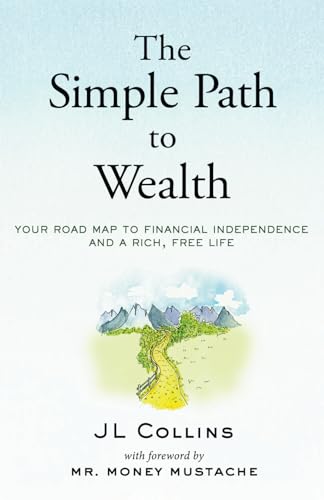
The Simple Path to Wealth
The most direct index-fund book here. Collins began it as letters to his daughter, and it argues for a few low-cost total-market index funds, a high savings rate and ignoring market noise. At 286 pages it's narrower than the Bogleheads' Guide and far less technical than A Random Walk, which makes it a common first investing book for beginners.
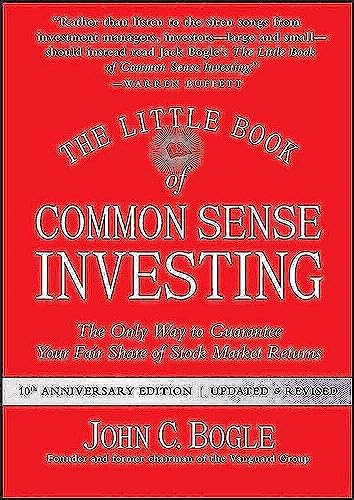
Read full review →The Little Book of Common Sense Investing
The index fund's founder makes his own case. Vanguard founder John Bogle argues that costs compound against investors just as returns compound for them, so owning the whole market cheaply beats most attempts to outsmart it. It's shorter and more conversational than A Random Walk, and more focused on fees than The Simple Path to Wealth.
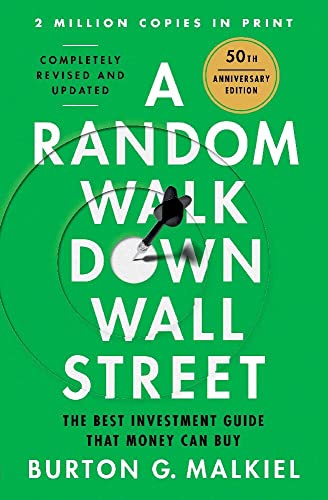
Read full review →A Random Walk Down Wall Street
The academic case for indexing, by a Princeton economist. Malkiel explains why stock prices are hard to predict, tours speculative bubbles from tulips onward, and weighs technical and fundamental analysis before landing on low-cost index funds. The recent edition covers newer topics such as meme stocks and crypto. Deeper and more historical than Bogle's book, at 496 pages.
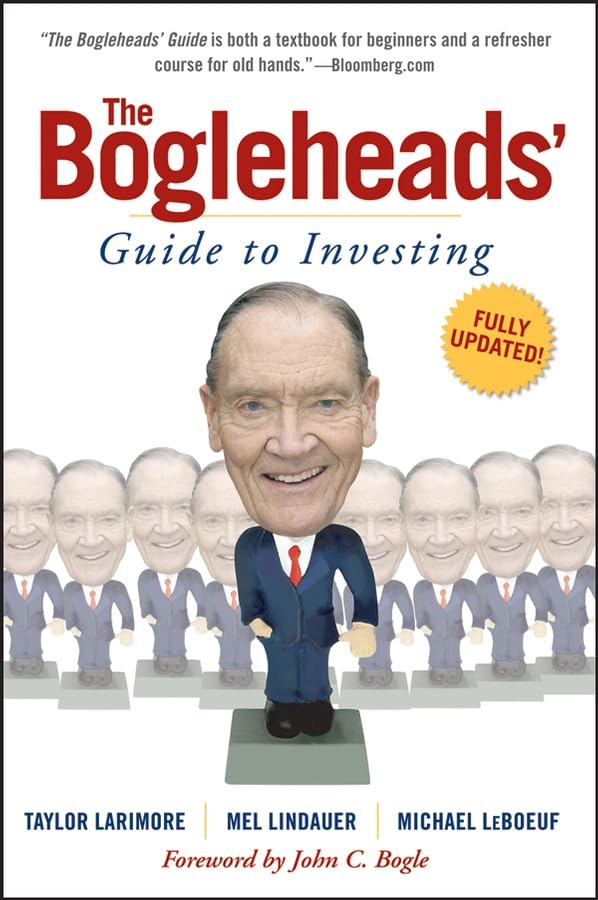
Read full review →The Bogleheads' Guide to Investing
The reference shelf for index investors. Three members of the Bogleheads community cover asset allocation, rebalancing, tax-advantaged accounts, common behavioral mistakes and estate planning in one consistent framework. Where The Simple Path to Wealth is a short program, this is the handbook to keep for specific questions. Some account details reflect the year it was published.
Read full review →The Intelligent Investor
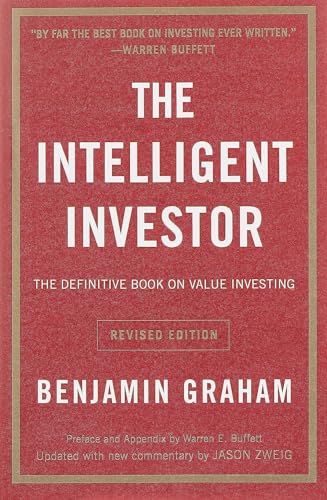
The foundation of value investing. Graham introduces Mr. Market, the moody partner who offers different prices every day, and the margin of safety, and separates the defensive investor from the enterprising one. This edition adds Jason Zweig's modern commentary. At 640 pages it's the densest book here and the best for readers who want to understand how professional value investors think.
Read full review →One Up On Wall Street
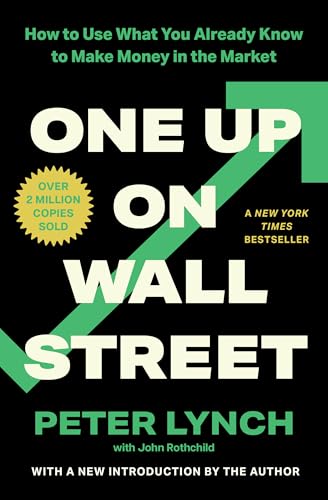
The stock picker's handbook. Former Fidelity Magellan manager Peter Lynch argues that ordinary people often spot promising companies in daily life before analysts do, and he explains how to sort and research stocks before buying. It's more practical and much friendlier than The Intelligent Investor, and it makes the opposite case from the index-fund books here.
Read full review →The Little Book That Still Beats the Market
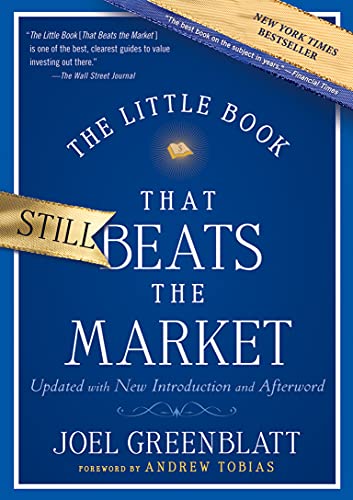
The shortest stock-picking book here at 208 pages. Greenblatt explains a simple ranking system based on earnings yield and return on capital, using a simple story about a small gum business to make value investing concrete. It's a gentler entry to value ideas than Graham. Whether any published formula keeps working once widely known is a fair debate.
Read full review →The Psychology of Money
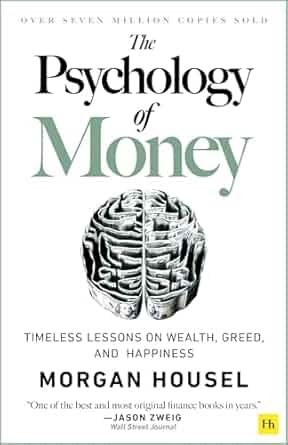
The book about behavior rather than method. Housel's short chapters cover luck, risk, compounding, greed and why reasonable people make different money choices. It pairs with any book on this page: read it alongside an index-fund book or a stock-picking book to see why investors stick with, or abandon, their plans.
Read full review →Quit Like a Millionaire
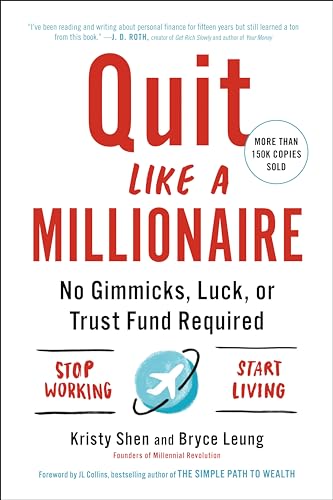
The early-retirement take. Kristy Shen and Bryce Leung combine her story of growing up poor with a financial-independence plan built on a high savings rate, index funds and a dividend-focused approach they call the Yield Shield. It's more personal than The Simple Path to Wealth and aimed squarely at readers interested in retiring well before the usual age.
Read full review →How to Choose
The biggest split on this page is index investing versus picking stocks. If you want to own the whole market cheaply and spend little time on it, start with The Simple Path to Wealth or The Little Book of Common Sense Investing, then use the Bogleheads' Guide as a reference. If you want the research behind indexing, read A Random Walk Down Wall Street. If you want to choose individual stocks, read One Up on Wall Street for the practical approach, The Little Book That Beats the Market for a formula, and The Intelligent Investor for the theory.
Then consider depth. The Little Book That Beats the Market, The Psychology of Money and The Simple Path to Wealth are under 300 pages and easy reads. The Intelligent Investor and A Random Walk are long, detailed books that reward readers who already know the basics. Quit Like a Millionaire suits readers whose goal is early retirement.
Reading Investing Books Wisely
Several of these books disagree with each other, which is useful. Malkiel and Bogle argue that few people beat the market after costs, while Lynch and Greenblatt explain how they try. Reading one book from each side is a good way to understand the debate before forming a view.
Check publication dates, since tax rules, account types and fund costs change. These books explain ideas and the authors' arguments; this page describes them and is not financial advice. For decisions about your own money, consider a fee-only financial adviser.