Best Fantasy Books Compared
From epic world-building to cozy adventures, Jim compares the greatest fantasy novels. Whether you want a 1,000-page doorstop or a quick escape, find your next quest here.
| Book | Rating |
|---|---|
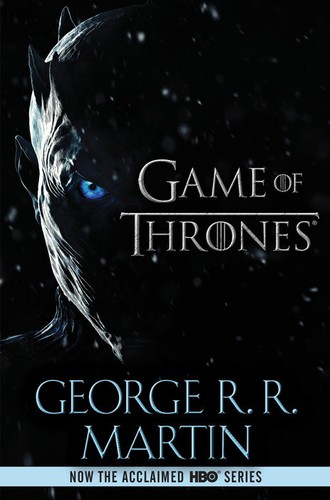 A Game of Thrones | 4/5
|
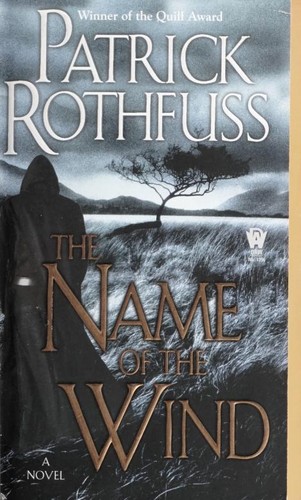 The Name of the Wind | 4/5
|
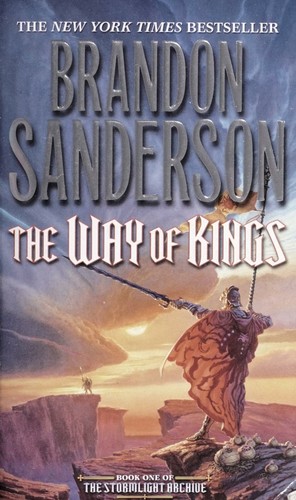 The Way of Kings | 5/5
|
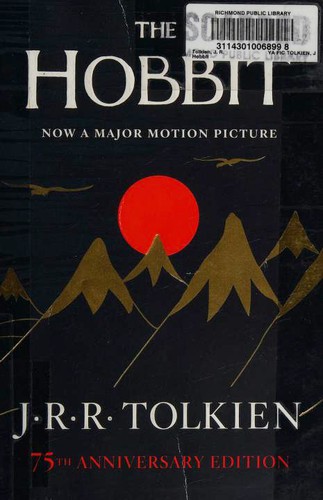 The Hobbit | 5/5
|
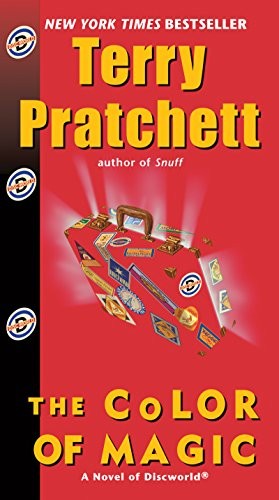 The Color of Magic | 3/5
|
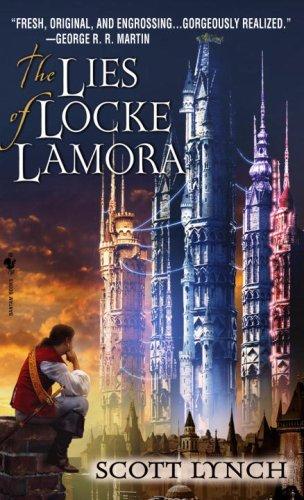 The Lies of Locke Lamora | 4/5
|
Jim's Quick Takes
A Game of Thrones
The most political and most brutal book here. Martin rotates among many viewpoint characters as noble houses scheme and betray each other, and no one is safe. Violence and sexual content are frequent and explicit, so it suits adult readers who prize intrigue over spellcasting; magic stays mostly in the background.
Read full review →The Name of the Wind
Best for readers who love lyrical prose and one intimate narrator. Kvothe tells his own life story, much of it set at a university of magic, so it's slower and more personal than A Game of Thrones or The Way of Kings. Check the series status first: the waits between volumes have been long.
Read full review →The Way of Kings
The longest book on this page at 1,007 pages, and the most systematic. Sanderson builds magic with clear rules, a storm-battered world and several viewpoint characters whose stories converge in a big finale. It's far less explicit than A Game of Thrones and suits patient readers who want a long series to settle into.
Read full review →The Hobbit
The gentlest and oldest choice, first published in 1937. Tolkien's quest has a fireside storyteller's voice, songs and riddles, so it works for younger readers, families reading aloud and adults wanting a cozy adventure. At 300 pages it's the easiest entry here and a natural step before The Lord of the Rings.
Read full review →The Color of Magic
The comedy of the bunch. Pratchett's first Discworld novel parodies sword-and-sorcery clichés through a cowardly wizard and a naive tourist with walking luggage. It's episodic and rougher than later Discworld books, so it suits readers who want laughs in 288 pages and don't mind a loose plot.
Read full review →The Lies of Locke Lamora
Best for readers who want a heist story with real danger. Lynch's con artists work a Venice-like city, with elaborate schemes, flashback interludes and a much darker second half. Expect heavy profanity and bloody violence; it's tighter than A Game of Thrones and moves faster than The Name of the Wind.
Read full review →How to Choose
Start with the mood you want. For political intrigue and moral gray areas, pick A Game of Thrones. For a lyrical, personal story about a gifted young man, The Name of the Wind. For a vast world with rule-based magic and a payoff that builds over a thousand pages, The Way of Kings. For a clever crime caper with sharp dialogue, The Lies of Locke Lamora. For comfort and charm, The Hobbit. For satire and laughs, The Color of Magic.
Then weigh time and content. The Hobbit and The Color of Magic are 300 pages or fewer and work as weekend reads. The other four run from 499 to 1,007 pages and open long series, so treat them as a season-long commitment rather than a single book. For younger readers The Hobbit is the clear pick. A Game of Thrones and The Lies of Locke Lamora contain graphic violence and strong language, and Martin's book adds explicit sexual content, so both are adult reads.
Where to Start Each Series
Four of these are first books and should be read first. A Game of Thrones opens A Song of Ice and Fire, The Name of the Wind opens the Kingkiller Chronicle, The Way of Kings opens the Stormlight Archive, and The Lies of Locke Lamora opens the Gentleman Bastard sequence. Martin's and Rothfuss's series have had very long gaps between volumes, so readers who hate waiting may prefer Sanderson, whose series already has several sequels in print.
The Hobbit stands on its own but leads into The Lord of the Rings, which is longer and more serious in tone. Discworld breaks the start-at-the-beginning rule. The Color of Magic is the first novel, but the series is a set of loosely connected story lines, and a common suggestion is to begin with a later book such as Guards! Guards! or Mort, where Pratchett's style is more settled. Publication order still works for readers who like to see a world grow.