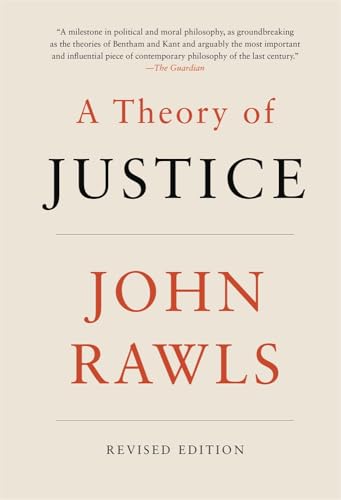
A Theory of Justice
by John Rawls
5/5
Belknap Press 560 pages September 30, 1999
John Rawls's 1971 masterwork reframed political philosophy for the twentieth century. The "veil of ignorance" thought experiment — design the rules of society without knowing where you'll land in it — has become a standard tool in legal, political, and moral reasoning.
This page contains affiliate links. We may earn a commission at no extra cost to you.
Share:
Jim's Review
🐛
Rawls is the most influential American political philosopher of the 20th century, and this is his book. The thesis — that a just society is one whose rules you would agree to from behind a "veil of ignorance," not knowing whether you'd be born rich or poor, smart or not, healthy or sick — is now so deeply embedded in liberal political thought it sounds like common sense. It was not common sense when he wrote it. Rawls argued against the utilitarianism that dominated mid-century American moral philosophy and rebuilt the case for individual rights on contractarian grounds. Five worms for the argument; three worms for the prose, which is precise but heavy going. The single most important law-adjacent philosophy book of the modern era.
Jim's Weekly Worm Hole
Get book picks like this delivered to your inbox every week. No spam, just groovy reads.
You Might Also Like
View: